Muldrow Roofer Providing Expert Roof Installation and Repair
Muldrow Roofer Providing Expert Roof Installation and Repair
Blog Article
Determining the Superior Roofer: Critical Advice for Property Owners
Choosing the best roofer is a crucial choice for homeowners. It necessitates detailed analysis and a structured process. Evaluating roof needs, gathering referrals, and inspecting possible contractors are all vital steps. Understanding certifications and contrasting pricing can appear overwhelming. Yet, these steps are vital for a prosperous job. Property owners must also weigh guarantees and protection, as these factors can substantially impact their long-lasting satisfaction. What should be the next step in this procedure?
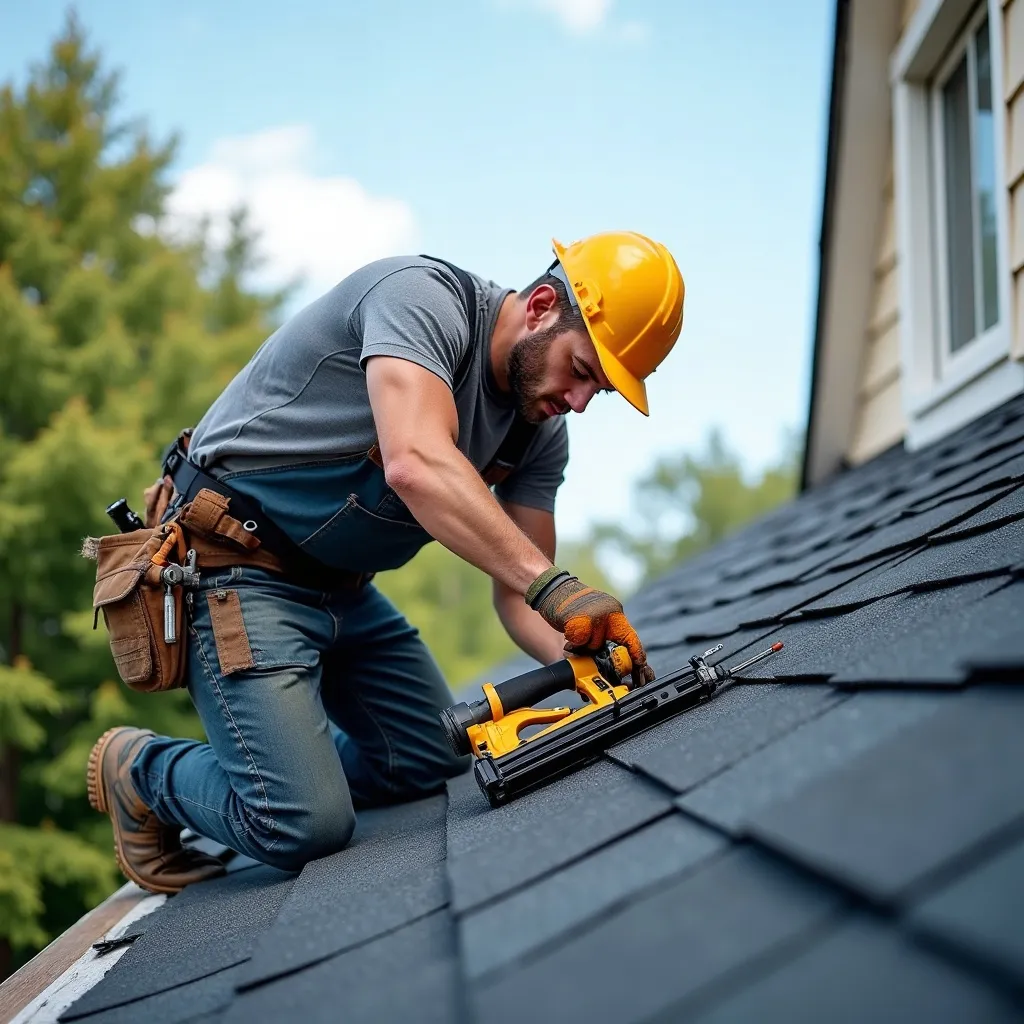
Determine Your Roof Requirements: Evaluating Issues and Requirements
When reviewing roofing needs, homeowners should start by examining the condition of their existing roof. This process involves a thorough inspection for visible damage, including missing shingles, leaks, or sagging areas. Homeowners should also take the age of the roof into account; a roof nearing the end of its lifespan may require replacement instead of repairs. Furthermore, factors such as the local climate and surrounding environment can impact roofing requirements. For instance, homes in regions prone to severe weather might require more durable materials. It is also critical to detect any underlying issues, including ventilation or insulation problems, that could compromise the roof's performance. By understanding these specific needs, homeowners can make well-informed decisions about repairs or replacements, ensuring that their roofing choices correspond with their long-term plans and budget. A clear assessment lays the groundwork for choosing the best solutions moving forward.
Locating Reputable Roofers
How can property owners guarantee they select a reliable roofer for their project? First, they should obtain recommendations from friends, family, or neighbors who have lately completed roofing work. Online reviews and ratings can also provide understanding into a roofer's standing. Then, homeowners should confirm that potential roofers are properly certified and covered, as this safeguards against liability for accidents during the project. It is important to get several quotes, allowing homeowners to compare prices and services offered. Additionally, a reliable roofer should be willing to provide recommendations from past clients, showcasing their workmanship. Homeowners should also inquire about guarantees on both materials and labor to verify lasting satisfaction. By following these steps, homeowners can greatly increase the probability of hiring a trustworthy and capable roofing professional.
How to Evaluate Roofer Track Record
When evaluating a roofer's credentials, it is essential to verify their insurance and licensing to ensure adherence to local requirements and protection against potential liabilities. Additionally, reviewing industry certifications can provide insight into the roofer's commitment to quality standards and expertise. These steps are vital in choosing a competent specialist for roofing projects.
Validate Licensing And Insurance
Evaluating a roofing contractor's credentials begins with verifying their license and coverage. Homeowners should request copies of the roofer’s license and ensure it is current and valid, as regulations can vary by state. A licensed roofer demonstrates adherence to local codes and professional standards. Additionally, verifying that the roofer has adequate insurance is essential. This includes both liability coverage and worker’s compensation. Liability insurance protects homeowners from potential damages during the roofing project, while workers’ compensation covers injuries workers might sustain while working. Homeowners can often verify this information through state licensing boards or insurance providers. Taking these steps helps guarantee that the chosen roofer is credible and minimizes risks associated with roofing projects.
Assess Sector Certifications
Numerous property owners downplay the importance of verifying industry credentials when hiring a roofing contractor, despite the fact that these qualifications can greatly influence the standard of workmanship. Certifications from respected institutions, like the National Roofing Contractors Association (NRCA) or GAF, verify that a roofer has undergone specialized instruction and follows industry standards. Property owners ought to question particular certifications obtained by candidate contractors and verify their legitimacy via the certifying bodies. This ensures not only that the roofer possesses knowledge of the cutting-edge materials and techniques but also reflects a genuine commitment to professional excellence. In addition, qualified roofers usually have access to enhanced warranties and superior materials, thereby increasing the value of their work. Stressing the importance of these credentials can yield a more trustworthy roofing installation.
Essential Inquiries for Your Roofing Contractor Interview?
What measures can property owners take to ensure they choose the best roofing professional? One effective method is to prepare a collection of critical questions for the meeting. First, homeowners should ask about the contractor's track record and expertise in home roof work. This helps evaluate their ability for the specific project. In addition, inquiring about proper credentials and coverage ensures adherence with local regulations and safeguards against potential liabilities.
Homeowners should also ask for references from past customers to gauge satisfaction levels and reliability. Inquiries about the materials employed can reveal the contractor's dedication to excellence. Moreover, discussing the project schedule and payment terms is essential for comprehending requirements. Finally, asking about guarantees on both materials and labor can provide peace of mind regarding the longevity of the roof. By posing these targeted questions, homeowners can make informed decisions and feel confident in their choice of roofing contractor.
Guide to Evaluating Roofing Quotes Competently
When assessing roofing quotes, it is important to understand the factors that make up each estimate. This includes not only the labor costs but also the options suggested for the project. Analyzing the quality and strength of these options can greatly influence the overall quality and longevity of the roofing solution.
Comprehend Bid Parts
Grasping the components of roofing quotes is necessary for homeowners seeking to make informed decisions. A full quote generally includes labor costs, materials fees, and additional charges such as permits or cleanup. Homeowners need to pay attention to the details listed in each section, as variations can notably impact overall pricing. It is crucial to check the warranty terms and the anticipated timeline for project completion, as these factors can influence long-term satisfaction. Comparing several quotes enables homeowners to identify discrepancies and evaluate the value provided by different contractors. By clearly understanding these components, homeowners can make improved choices, ensuring they pick a roofer who fills both their budget and quality requirements.
Assess Material Choices
To evaluate roofing quotes effectively, you need a careful evaluation of material options. Homeowners should take into account the longevity, cost, and warranty linked to each material type. Popular roofing options include asphalt shingles, metal, tile, and slate, each offering distinct benefits and disadvantages. For example, asphalt shingles are cost-effective but may have a reduced durability versus metal or slate. Additionally, homeowners must assess the local climate, as certain materials work more effectively under particular environmental factors. It's essential to ask contractors about the standards of their materials and any unexpected expenses. By recognizing the variety of roofing choices, homeowners can make informed decisions that match their budget and future objectives for their roof installation.
Warranties and Insurance Are Critical When Roofing
Warranties and insurance are key components in roofing projects, often overlooked by homeowners. A robust warranty ensures that the materials and workmanship are covered against defects for a specified period. This not only shields the homeowner's investment but also prolongs the roof's longevity. Additionally, reputable roofing contractors typically present warranties, indicating their confidence in their work.
Insurance, by contrast, shields homeowners from potential liabilities during the roofing process. It covers accidents that may occur on the job site, making certain that the homeowner is not financially responsible for injuries or damages. Without proper insurance, homeowners may face heavy costs in case of unforeseen incidents.
Common Questions Posed
What is the standard timeframe for a roof installation?
A roofing project typically takes one to three weeks, dependent on factors such as the roof's size, materials used, weather conditions, and the contractor's availability. Delays can develop due to unforeseen circumstances.
Which Materials Are Most Suitable for My Local Weather?
Optimal roof materials for a specific region are influenced by elements including extreme temperatures and rainfall. Cooler climates perform exceptionally well with metal roofs or asphalt shingles, though hot regions typically benefit from reflective materials or tiles aimed at lower heat absorption.
Should I Stay Home During the Roofing Work?
Homeowners may frequently remain at home during roofing work, but it's prudent to prepare for noise and disruption. Ensuring safety and clear communication with the roofing crew will enhance the overall experience.
In What Manner Will Weather Influence the Roofing Schedule?
Rain, snow, and extreme temperatures can hinder roofing work and significantly impact timetables. Roofers often adapt timelines based on weather predictions to guarantee safety and proper installation, emphasizing quality over speed in challenging climates.
What Occurs if I Should Get More Work Throughout Installation?
If additional work are essential during placement, the roofer usually examines the situation and delivers a modified quotation. This may supporting information lengthen the timeframe and fees, making sure the roof's stability and lifespan remain prioritized.
Report this page